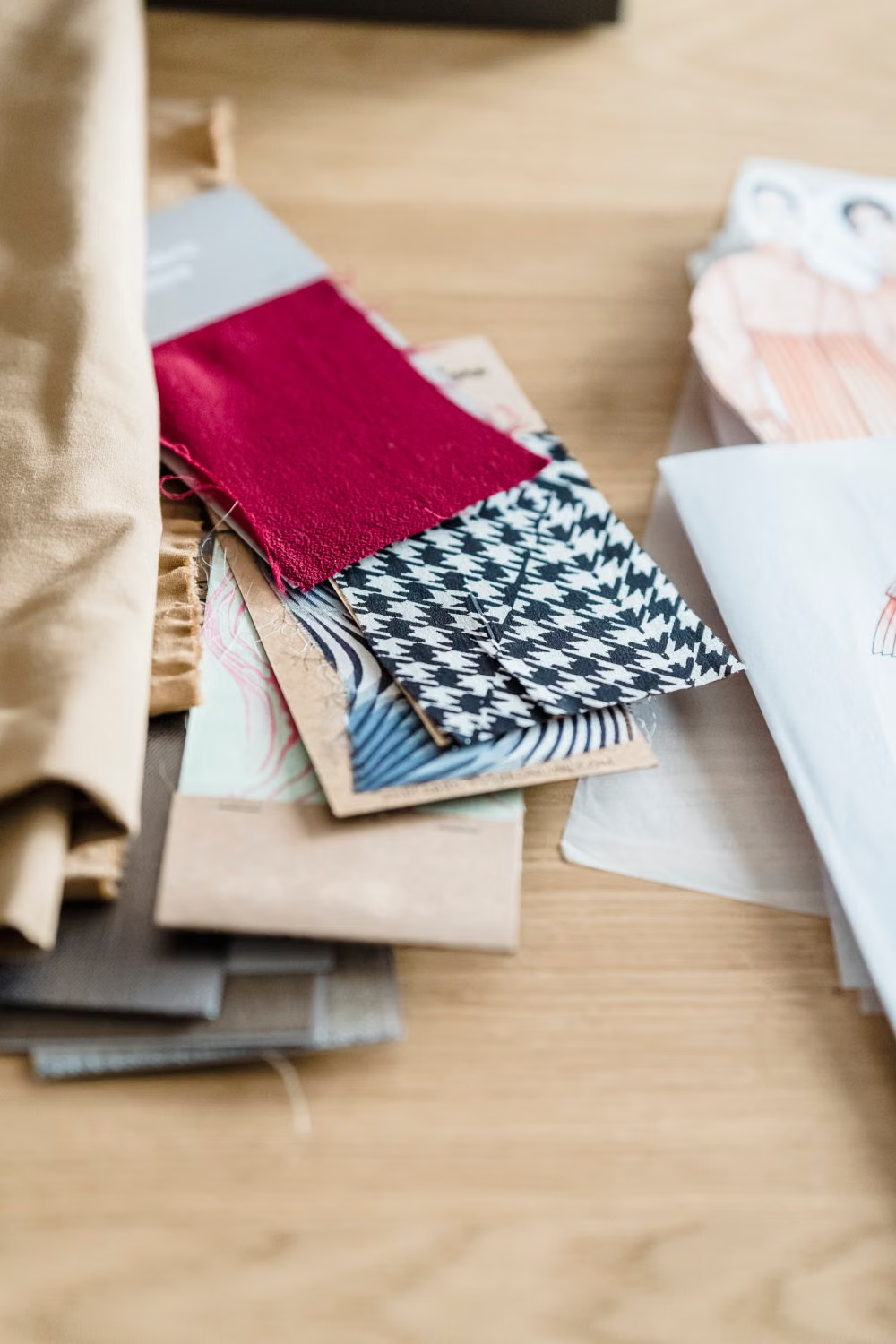
Performance fabric decisions affect comfort, fit, appearance, durability and care. The right option depends on the sport or activity, the garment design and the wearer's expectations. When preparing an OEM sportswear brief, describe the outcome you want and compare it with a physical swatch or sample wherever possible.
Start with the activity
Think about movement, contact with equipment, layering and the conditions in which the garment will be worn. A close-fitting training legging, a lightweight running top and a warm-up jacket have different needs. Describe whether the garment should feel light or substantial, close or relaxed, and whether it will be worn next to the skin or over another layer.
Ask what the fabric is made of
Fibre content influences hand feel, stretch, recovery, appearance and care. Polyester, nylon, elastane and blended constructions can perform differently depending on yarn, knit or weave, finish and weight. A fibre name alone is not a complete specification. Note the preferred composition where it is known, and mark whether a substitute can be considered.
Compare weight and structure
Fabric weight is often recorded in grams per square metre (GSM), but weight should be considered alongside opacity, drape, surface texture and structure. For a lightweight top, check how the fabric looks under light and how it behaves when stretched. For leggings or fitted garments, consider coverage and how seams sit when the fabric is under tension.
Test stretch and recovery
Clarify whether stretch is needed across one direction or both and how quickly the fabric should return after movement. Try the swatch in the intended garment shape. A fabric can stretch comfortably yet lose shape or feel restrictive when combined with the chosen fit and seam construction. Record what you observe and review it in a sample.
Describe hand feel and finish
Words such as “soft,” “smooth,” “cool” or “brushed” mean different things to different people. Add a physical swatch, reference garment or close image when possible. Also describe surface appearance: matte or sheen, texture, print suitability and any finish requirements. Confirm the available options for the specific style and quantity.
Consider colour and care
Share colour standards or physical references and confirm how the colour should be reviewed under consistent lighting. If the fabric will be printed, dyed or combined with contrast panels, identify the method and areas involved. Include care expectations and any testing standards required by your brand or market; your compliance team should provide the applicable requirements.
Build a useful fabric brief
- Garment type and intended activity
- Preferred fibre composition and fabric weight, if known
- Stretch direction, recovery and opacity expectations
- Hand feel, surface appearance and colour reference
- Care, print or decoration requirements
- Whether alternatives may be proposed for review
Ask to review the actual fabric and the garment sample before approving the specification. The final choice should be evaluated in context, with the pattern, fit, seams, movement and care requirements taken into account.