An apparel tech pack is the working specification for a garment. It helps translate a product idea into information a development team can review and sample against. A reference image can communicate style, but it rarely answers every question about measurements, materials, seams or labels.
Before you request an OEM sample, prepare the information you already know and clearly mark what still needs to be decided. The following sections make a useful starting checklist.
1. Identify the style and intended use
Give the garment a style name or code and describe what it is for. A training top, a match jersey and a casual tee may look similar in a photograph but have different fit, movement and fabric expectations. Note the target customer, activity, climate or season if relevant.
2. Show the garment from every side
Include front, back and side flats or clear reference images. Add close views for details that are easy to miss: pockets, cuffs, neck binding, panels, closures, vents, lining and reinforcement. Add callouts that point to the exact area each note describes.
3. Add a measurement chart
List points of measure, measurement locations, units and a base size. Explain your measurement tolerance and include the size range you need. If grading rules are available, provide them; if you use a fit sample, identify it and record the size being reviewed. A measurement name should be specific enough that two people measure the same garment in the same way.
4. Describe fabric and components
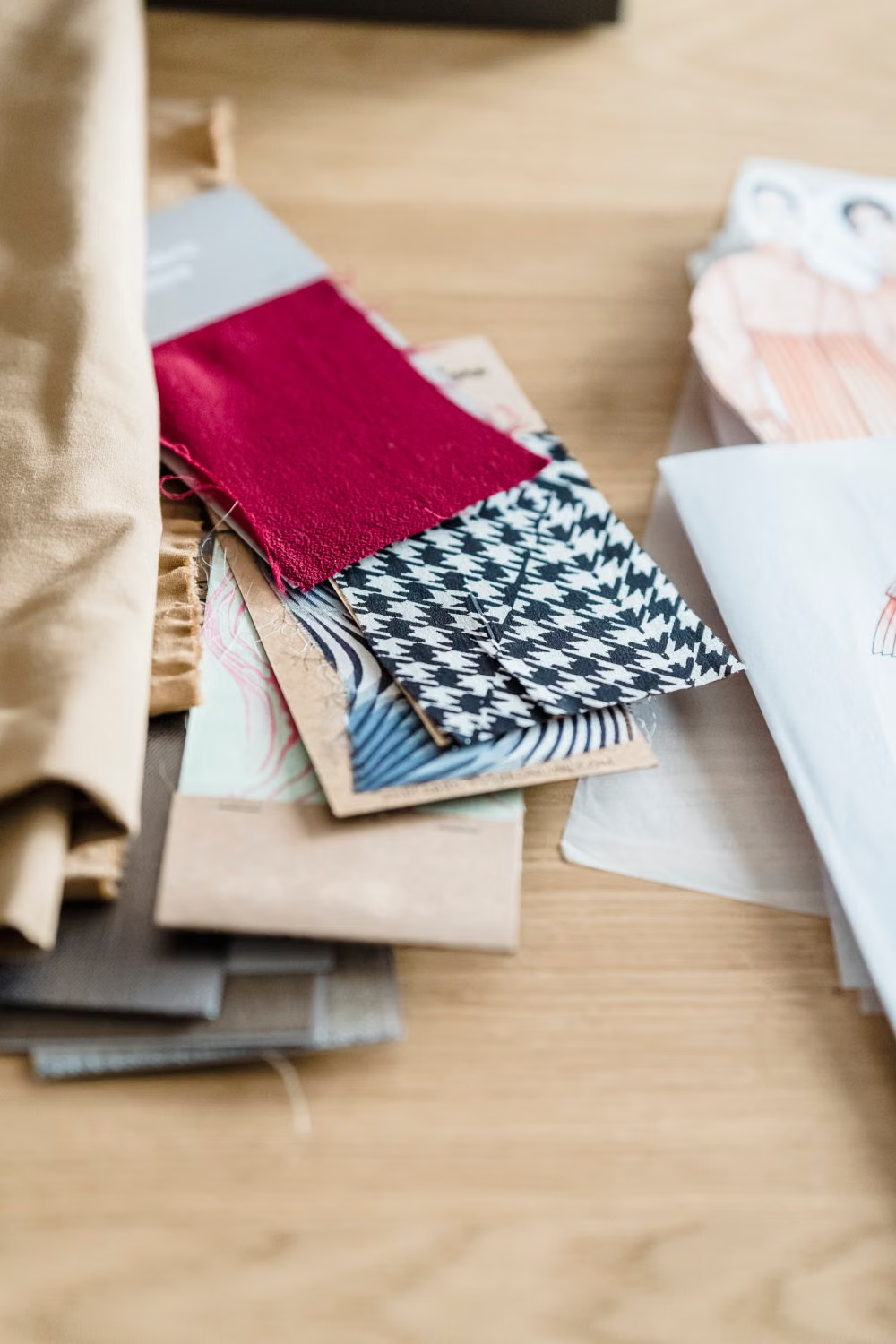
Record the preferred fibre content, fabric construction, weight, stretch direction, finish, colour and hand feel. Note whether the fabric is a firm requirement or a preference to review during development. List trims and components such as zippers, drawcords, elastic, thread, labels and hardware, with reference codes or images where possible.
5. Explain construction and branding
Call out seam types, stitch details, panel joins, topstitching and reinforcement. Show artwork placement with dimensions and distance from a clear reference point. Provide approved artwork files and specify whether a mark is printed, embroidered, applied or still under consideration. Confirm the method and feasibility with your manufacturer for the chosen fabric and order.
6. Include labels, packaging and revision control
Share care label wording, size label details, country-of-origin requirements supplied by your compliance team, folding or packing preferences and any buyer-specific packing instructions. Give the document a revision number and date. When a detail changes, note what changed so the sample is reviewed against the current specification.
Make unresolved details visible
A complete tech pack does not have to hide every open decision. Use notes such as “confirm during sample review” for options that are still being evaluated. Separate requirements from preferences, and ask the manufacturer to flag any unclear or infeasible detail before the sample is made.
For an OEM apparel enquiry, send the latest tech pack together with target quantity, size range, desired sample timing and intended launch window. Those details help frame the first discussion; final costs, minimum quantities and timing must be confirmed for the specific style and order.